Palm reading for Ingrid Larsson: how does the mount of jupiter speak to my hunger for leadership?
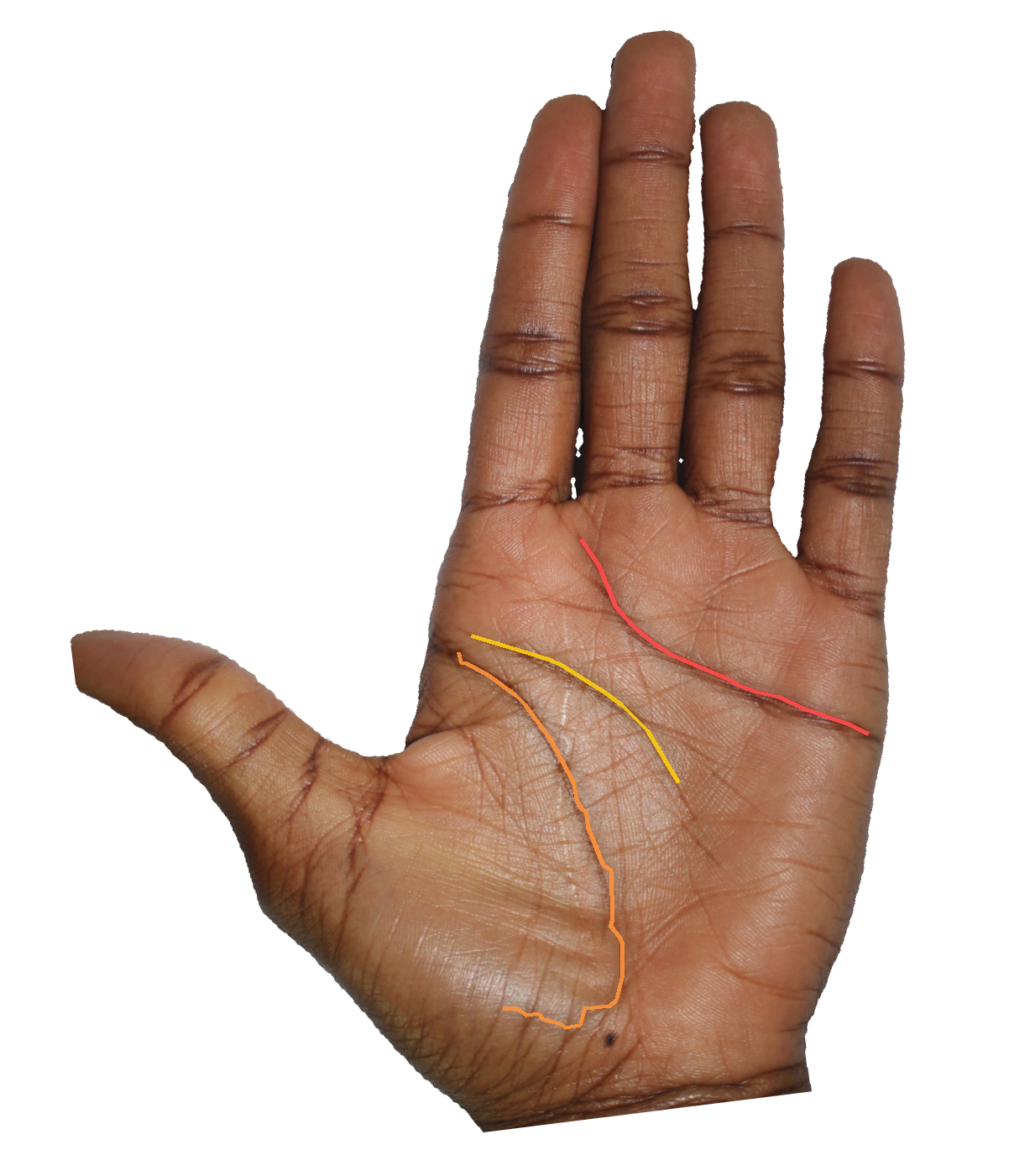
How does the Mount of Jupiter speak to my hunger for leadership? Of all the variables a palm reading can examine, the Mount of Jupiter is the one most directly associated with the question Ingrid Larsson is bringing. This reading takes the question — How does the Mount of Jupiter speak to my hunger for leadership? — and works it through the classical palmistry framework as inherited from Cheiro's Language of the Hand and the later 20th-century palmistry literature. The reading does not predict events; it describes the architectural signature the palm carries and the kind of choices the architecture supports best.
Classical palmistry treats the seven mounts of the palm as character indicators — the developed quality of each mount indicating the strength of the corresponding planetary archetype in the person's architecture. The Mount of Jupiter, located at the base of the index finger, is the indicator of leadership orientation, ambition, and the relationship to authority.
A prominent Mount of Jupiter — full, well-rounded, clearly defined — indicates a person whose architecture is oriented toward leadership and whose sense of self is strongly connected to a vision of what should be built or accomplished. The architecture rewards positions of authority, the pursuit of meaningful purpose, and the kind of long-form project that requires sustained directional commitment.
A flat or underdeveloped Mount of Jupiter does not indicate absence of ambition; it indicates a different architecture, one less centered on leadership as identity and more comfortable with collaborative or subordinate roles. The reading is firm that the underdeveloped Jupiter mount is not deficient; the person it indicates is well-suited to specialist, supporting, or independent-contributor work and often unhappy in formal leadership roles that the prominent Jupiter person would find natural.
The lines that appear on the Mount of Jupiter are read as modifiers of the basic indication. A vertical line on the mount — sometimes called the line of ambition — strengthens the leadership orientation. A cross on the mount is classically read as warning against authoritarian tendencies and reminder to lead with integrity rather than dominance. A star is read as indicator of public recognition that the architecture's leadership work will eventually receive.
For this week, the Mount of Jupiter's instruction is to recognize the architecture and use it well. The prominent Jupiter person should not apologize for the leadership orientation; the architecture is built for it, and the suppression of leadership produces specific unhappiness that the prominent Jupiter person often misattributes. The underdeveloped Jupiter person should not force themselves into leadership roles that the architecture does not support; specialist excellence is the architecture's contribution.
Classical palmistry is firm that the Mount of Jupiter, read accurately, is the variable that most predicts whether the person will find satisfaction in their adult vocational life. The leadership reading is not aspiration; it is architecture, and architecture honored produces satisfaction that architecture overridden cannot.
Classical palmistry, as systematized by Cheiro in the late 19th century and refined by William Benham and the later traditions, treats the palm as a long-form record of the architecture an individual carries — the durable signature that persists across decades and shapes how each new circumstance is met. The Mount of Jupiter is one element of that record, and the reading derives meaning from how it integrates with the rest of the hand's architecture rather than from the element in isolation. For Ingrid Larsson, the integration is what produces the actionable instruction; the isolated reading would be both less accurate and less useful.
The weekly application of this reading differs from a one-time fortune telling. The architecture indicated by the palm does not change week to week; what changes is the texture of choices made within the architecture. This reading is pitched at the weekly scale specifically because the weekly scale is where the architecture actually expresses in lived life — through the first meeting of the week, the first difficult conversation, the rest taken or skipped, the commitment honored or deferred. Small choices accumulate into the texture of an architecture honored versus an architecture overridden.
What Ingrid Larsson can expect to register inwardly during a week in which the Mount of Jupiter's indication is being honored is a specific quality of settled engagement that is distinct from the agitation of overriding the architecture and distinct from the flatness of avoiding it. The settled engagement is the architecture confirming the week's choices fit it. The agitation is the architecture's signal that a choice has been made that does not fit. The flatness is the architecture's signal that a choice has been avoided that should have been engaged. Classical palmistry treats all three signals as accurate information rather than as mood.
The historical context is also worth naming. The classical palmistry tradition reads the Mount of Jupiter as part of a body of knowledge developed over centuries — from the early Indian samudrika shastra texts through the Greek and Roman cheiromantic writings, through the medieval European tradition, and into the modern systematization by Cheiro, Benham, and the 20th-century palmistry literature. The reading offered to Ingrid Larsson here draws from this accumulated tradition rather than from any single author's framework, and the instructions reflect the convergence of multiple sources rather than the idiosyncratic claims of any one.
Finally, the reading is firm that the palm's architecture is durable. Ingrid Larsson will not stop carrying this architecture by the end of this week; it persists regardless of how it is used. The choice this week is whether to use it deliberately — by acting on the Mount of Jupiter's indication where it has been deferred and honoring the architectural support where it has been overridden — or to continue overriding it and absorbing the cumulative cost of the override. The reading recommends the deliberate use. The architecture is built to support it. The work is to take the support.
The Mount of Jupiter for Ingrid Larsson this week: the architecture is durable, the indication is specific, and the choice is available. Use the architecture deliberately rather than overriding it. The reading does not promise outcomes; it clarifies what the architecture is built for. Use the clarification.